
Editor’s Note: This article was originally published in 2014 and has been completely rewritten for 2026 with current pricing, updated federal incentive information (30% ITC), and modern equipment recommendations. We removed outdated references and added actionable cost breakdowns based on 2025–2026 market data.
If you are worried about your ever-increasing electricity bills and wish to cut down the cost — rather than cutting down your power consumption — residential solar power offers a proven path to energy independence. Modern solar systems are designed specifically for home use, converting sunlight into electricity that powers everything from your lights to your appliances. The upfront investment pays for itself over time — and then keeps paying dividends for decades.
But there’s one small catch. You may feel that these generating systems are expensive at the outset. You might even be troubled by worries like: What if the system underperforms? What if it doesn’t generate enough power? How long will it actually last? These are fair questions — and the answers might surprise you.
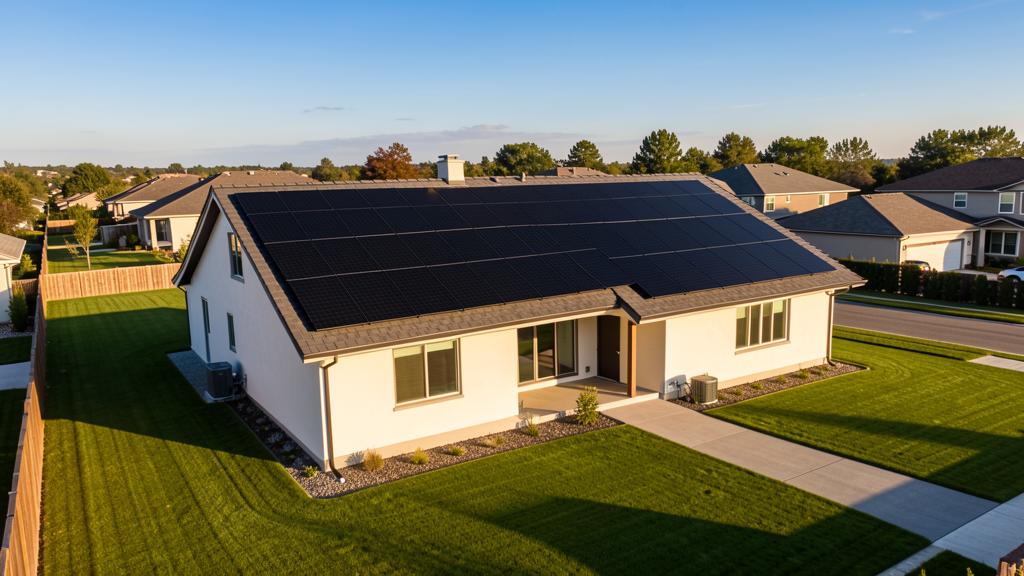
The Return on Investment
Residential solar systems are built to last. Most panels come with a 25-year performance warranty, and many continue producing electricity well beyond 30 years. The equipment itself — inverters, mounting hardware, wiring — is engineered for decades of reliable service.
Here’s the math that matters:
| System Size | Cost Before Incentives | Cost After 30% ITC | Typical Monthly Savings | Payback Period |
|---|---|---|---|---|
| 5 kW (small home) | $12,500–$17,500 | $8,750–$12,250 | $80–$130 | 6–10 years |
| 7 kW (average home) | $17,500–$24,500 | $12,250–$17,150 | $110–$180 | 6–10 years |
| 10 kW (large home) | $25,000–$35,000 | $17,500–$24,500 | $160–$260 | 6–10 years |
| 12 kW (high usage / EV) | $30,000–$42,000 | $21,000–$29,400 | $200–$330 | 7–11 years |
After your system pays for itself, you’re generating free electricity for the remaining 15–20+ years of the panel’s lifespan. And if your system produces more power than you use, most utilities offer net metering — crediting you for excess energy fed back into the grid.
Solar Financing: Cash, Loans, Leases, and PPAs
How you pay for solar affects your savings more than most people realize. Here is how the four main options compare:
| Option | Upfront Cost | Own the System? | Get the Tax Credit? | 25-Year Net Savings |
|---|---|---|---|---|
| Cash Purchase | $12K–$25K | Yes | Yes — you keep it | $30K–$60K+ |
| Solar Loan | $0 down | Yes | Yes — you keep it | $20K–$45K |
| Solar Lease | $0 down | No — installer owns | No — installer keeps it | $5K–$15K |
| PPA | $0 down | No — installer owns | No — installer keeps it | $5K–$15K |
Which Financing Option Is Best?
- Buy with cash if you can. You get the 30% tax credit, the shortest payback period, and the highest lifetime savings.
- Take a solar loan if you cannot pay cash. You still own the system and keep the tax credit. Most solar loans have 10–25 year terms with interest rates of 3.99–7.99% APR. Your loan payment is usually less than your old electric bill.
- Avoid leases and PPAs unless you have no other option. You do not own the system, you do not get the tax credit, and the annual escalation clauses (1–3% per year) mean your payments keep climbing.
Facts About Residential Solar Energy
Sunlight is a free, abundant resource — and modern panels capture it efficiently even on partly cloudy days. Here are the key facts homeowners should know:
Storage and Backup Options
You can store solar energy in batteries for use at night or during outages. Alternatively, grid-tied systems seamlessly switch between solar and utility power — no batteries required. You can also pair solar with a traditional backup generator for maximum reliability.
Installation Flexibility
Solar panels work on rooftops, terraces, and ground-mounted racks. South-facing installations maximize production, but east- and west-facing roofs work well too — you may just need a few additional panels to compensate for slightly lower efficiency.
Low Maintenance, Zero Noise
Solar systems have no moving parts, require minimal maintenance (occasional cleaning), produce no noise during operation, and generate zero emissions. By switching to solar, you’re reducing your dependence on fossil fuels while lowering your carbon footprint.
Property Value
Studies consistently show that homes with solar panels sell for more than comparable homes without them. A solar installation is an investment that increases your property’s value — not just your energy savings.
Solar Energy Is a Growing Trend
Residential solar adoption has accelerated dramatically. As panel costs continue falling and electricity rates keep rising, the economic case for home solar grows stronger every year. After your system’s payback period, you’ll enjoy free electricity for the remaining life of the panels — potentially saving $30,000–$50,000+ over 25 years.
When Solar Does Not Make Sense
Solar is not for every home. Be honest about these situations:
- Heavy shade on your roof. If trees or neighboring buildings cast persistent shade on your south-facing roof, your production will be dramatically reduced. Microinverters help but cannot overcome 50%+ shading.
- You plan to move within 3–4 years. Solar adds value to a home sale, but you may not recoup the full investment if you sell before the payback period.
- Your roof needs replacement soon. Install a new roof first. Removing and reinstalling solar panels costs $1,500–$3,000.
- Extremely low electricity rates. If you pay under $0.08/kWh, the payback period stretches past 15 years.
- Your utility does not offer net metering. Without net metering, you cannot sell excess power back to the grid. This significantly reduces your savings unless you add batteries.
Frequently Asked Questions
How much can I save with residential solar?
A typical 7 kW system saves $1,300 to $2,200 per year on electricity, depending on your local rate and sun hours. Over 25 years, that is $30,000 to $55,000 in savings — and that does not count rising electricity prices, which increase your savings every year.
Will solar panels increase my home value?
Yes. Studies from Zillow and Lawrence Berkeley National Laboratory show that owned solar panels (not leased) add an average of 4–5% to a home’s resale value. On a $400,000 home, that is $16,000–$20,000 in added equity.
Do I need batteries with solar?
No. Most residential solar systems are grid-tied without batteries. You use the grid as your “battery” through net metering. Batteries add $8,000–$15,000 but provide backup power during outages. They make the most financial sense if your utility has time-of-use rates, frequent outages, or no net metering.
How do I know if my roof is good for solar?
A south-facing roof with minimal shade and at least 20 years of remaining life is ideal. East and west-facing roofs work too (about 15–20% less production). Your installer will do a shade analysis and structural assessment before recommending a system.
What happens to solar panels during a hurricane or hailstorm?
Modern panels are tested to withstand 1-inch hail at 50 mph and wind speeds up to 140 mph. They are tougher than your roof. If damage occurs, homeowner’s insurance typically covers panel replacement — check your policy.
Next Steps
- Check your electricity rate on your latest utility bill — higher rates mean faster payback
- Get three quotes from NABCEP-certified local installers (compare line items, not just totals)
- Explore financing — cash or solar loan are almost always better than leases and PPAs
- Check your state incentives at the DSIRE database
- Learn about charge controllers if you plan to add batteries — see our charge controller guide
Residential solar is one of the few home improvements that reliably pays for itself. The numbers work in your favor — the only question is how much you will save.
